From Treatment to Independent Living: 5 Steps to Choose the Best Sober Living Home (Easy Guide for 2026)
- Dec 28, 2025
- 5 min read
Making the transition from treatment to independent living can feel overwhelming. You've put in the hard work to get sober, and now you're facing one of the most important decisions in your recovery journey: choosing the right sober living home.
The good news? You don't have to navigate this alone. With the right approach, finding a supportive environment that truly fits your needs is absolutely achievable. Let's walk through five essential steps that will help you make an informed decision and set yourself up for long-term success.
Step 1: Evaluate Location and Accessibility
Location matters more than you might think when it comes to your recovery success. The right environment can either support your goals or create unnecessary challenges.
Start by considering your daily life needs. Is the home close enough to your job or where you'll be looking for work? Can you easily get to recovery meetings, whether that's by walking, driving, or using public transportation? These practical considerations will impact your daily routine and stress levels.
Safety should be your top priority. Research the neighborhood thoroughly. Look up crime statistics, visit at different times of day, and trust your gut feeling about whether you'd feel secure living there. A safe environment isn't just about physical security: it's about being in a community that supports sobriety rather than one where substances are easily accessible.
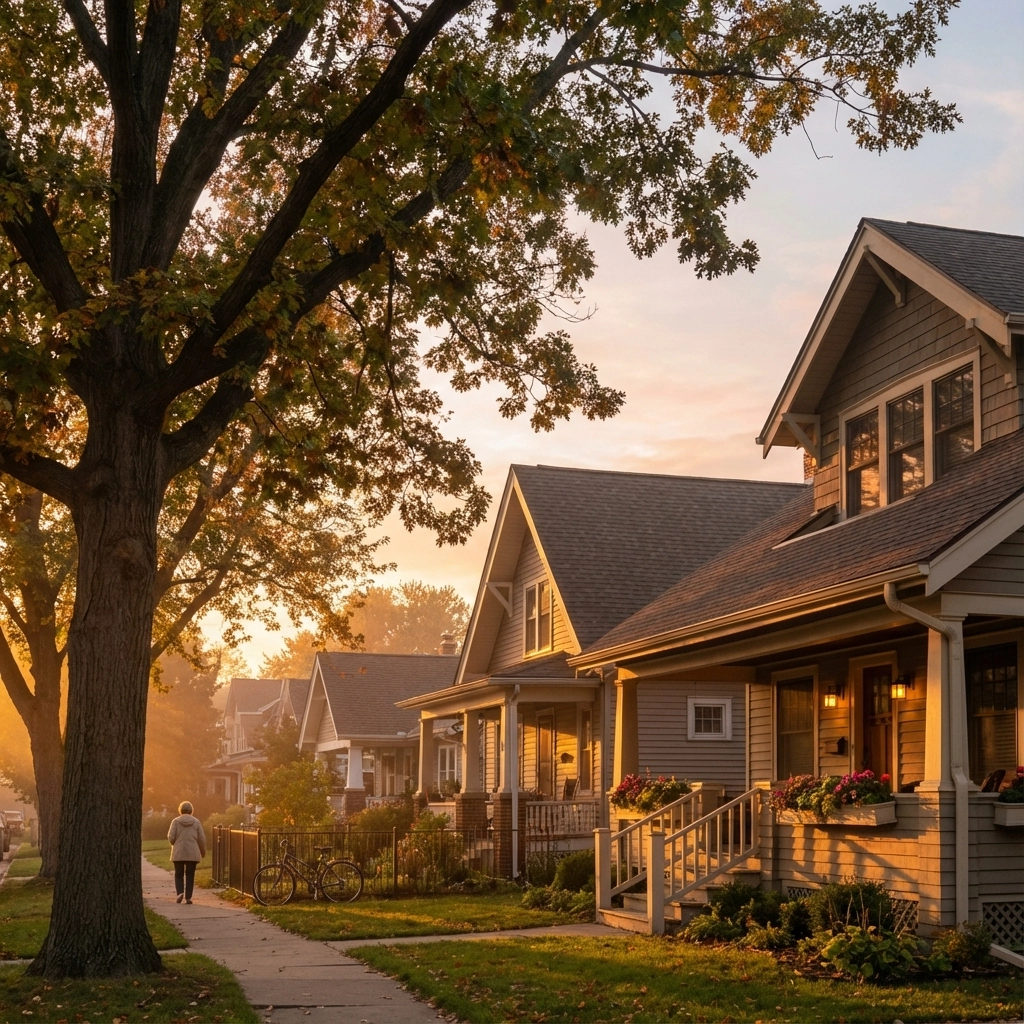
Think about proximity to essential services too. You'll want access to grocery stores, medical facilities, and outpatient treatment centers if you're continuing therapy or counseling. The easier it is to maintain healthy routines, the better your chances of staying focused on recovery.
Don't forget about your support network. If you have family, friends, or a sponsor who are important to your recovery, consider how location might affect those relationships. While independence is the goal, having your support system within reasonable reach can be incredibly valuable during this transition period.
Step 2: Research Credentials and Standards
Not all sober living homes are created equal, and doing your homework upfront can save you from major headaches down the road.
Look for homes that have official certification from reputable organizations like the National Alliance for Recovery Residences (NARR) or similar state-level affiliates. This certification isn't just a piece of paper: it means the facility has committed to meeting specific quality standards and undergoes regular reviews.
Ask about regulatory inspections. Legitimate sober living homes should be willing to discuss their compliance with safety standards and quality requirements. If a facility seems evasive about their certifications or inspection history, that's a red flag worth paying attention to.
Do some detective work online. Check out their website, read reviews from former residents, and look them up on local business directories. While you shouldn't base your entire decision on online reviews, they can give you helpful insights into what the day-to-day experience might be like.
Don't be shy about asking detailed questions. How long have they been operating? What's their success rate for residents who complete the program? What happens if someone relapses? A good facility will be transparent about their track record and policies.
Step 3: Understand House Rules and Policies
Clear, consistent rules aren't about control: they're about creating a safe environment where everyone can focus on their recovery. When evaluating a sober living home, pay close attention to their policies around the most critical issues.
Zero tolerance for substances should be non-negotiable. Make sure the home has a strict policy against alcohol and drugs, with clear consequences for violations. This includes understanding their approach to prescription medications and how they handle situations where someone might relapse.
Ask about drug testing procedures. Regular, random testing helps maintain accountability and creates a culture of honesty. While it might feel intrusive, remember that this structure is designed to protect everyone in the home, including you.

Understand the daily expectations. What are the rules around curfews, chores, meeting attendance, and visitors? Some people thrive with more structure, while others prefer more flexibility. Neither approach is right or wrong, but it's important to find a match for your personality and recovery needs.
Get clarity on romantic relationships and dating policies. Many sober living homes have guidelines about relationships between residents, and for good reason. Early recovery can be emotionally intense, and relationship drama can derail progress for multiple people.
Step 4: Assess Support Services and Staffing
The level of support available can make or break your sober living experience. You want a home that offers the right balance of guidance and independence for your specific situation.
Look into the staff-to-resident ratio. Homes with adequate staffing can provide more personalized attention and respond quickly when issues arise. Ask about staff qualifications: are they trained in addiction recovery? Do they have certifications in peer support or counseling?
Find out what recovery support services are available. This might include help with job placement, educational planning, accessing healthcare, or connecting with community resources. Some homes offer in-house counseling or peer support groups, while others help residents connect with external programs.
Consider whether they have connections to intensive outpatient programs (IOP) or other treatment resources. Recovery doesn't end when you leave treatment, and having easy access to ongoing support can be crucial for maintaining your sobriety.
Ask about their approach to accountability. Do they offer one-on-one check-ins? Are there house meetings where residents can address concerns? The best sober living homes create multiple opportunities for support and communication.
Step 5: Visit in Person and Talk to Current Residents
Photos on a website can be deceiving, and nothing replaces seeing a place with your own eyes. Schedule an in-person tour, and don't settle for a quick walk-through.
Pay attention to cleanliness and maintenance. A well-kept facility usually indicates that both staff and residents take pride in their environment. Look for signs of ongoing upkeep, functional amenities, and overall organization. These details reflect the quality of management and the culture of the home.
Observe the atmosphere during your visit. Do residents seem engaged and positive? Are they interacting with each other in healthy ways? Trust your instincts about the overall vibe: you'll be living here, so it's important that the environment feels right to you.
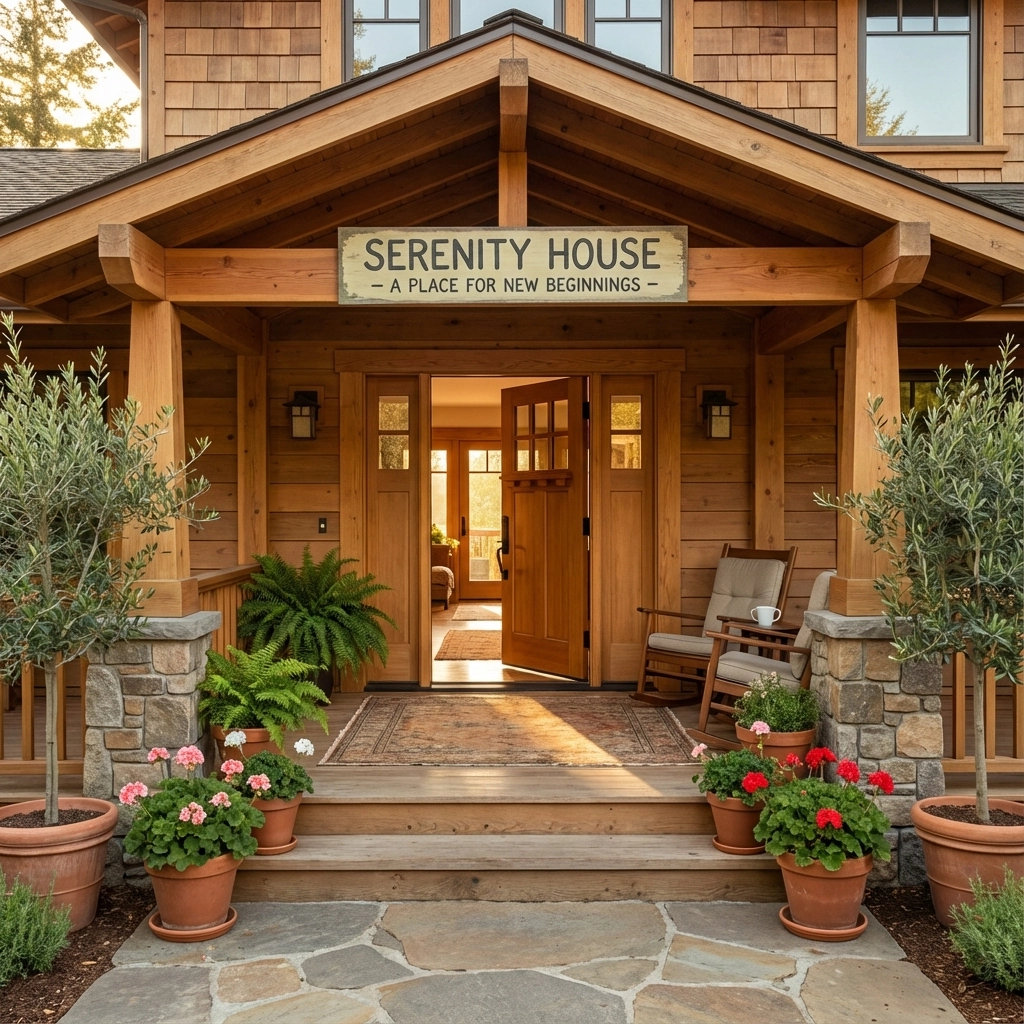
If possible, ask to speak with current residents privately. Most people in recovery are happy to share their honest experiences, both positive and negative. Ask about their daily routine, what they like most about the home, and what challenges they've encountered.
Consider bringing a trusted friend, family member, or sponsor on your visit. Sometimes having another perspective can help you notice things you might miss when you're focused on making a decision. They might ask questions that don't occur to you or pick up on details that could be important.
Making Your Final Decision
After you've completed these five steps, take some time to reflect on your findings. The "perfect" sober living home might not exist, but the right one for you should meet your most important needs and feel like a place where you can thrive.
Consider creating a simple pros and cons list for each option you're considering. Sometimes seeing everything written down can help clarify your thinking and highlight factors you hadn't fully considered.
Remember that this decision isn't permanent. Most sober living arrangements are designed to be transitional, lasting anywhere from a few months to over a year. You're looking for a place that will support your next phase of recovery, not necessarily solve every challenge you'll ever face.
Trust yourself and the work you've already done in recovery. You've learned to make healthy choices, and choosing the right sober living home is another step in that process. Take your time, ask the right questions, and remember that investing effort in this decision now can pay off significantly in your long-term success.
If you're looking for a supportive environment that prioritizes both structure and personal growth, Inspire Properties is here to help. Our approach focuses on creating transformative communities where residents can build the skills and confidence needed for independent living. Ready to take the next step? Check out our application process and see how we might be the right fit for your recovery journey.
Comments